
⭐ Jack Botanicals - America's #1 Kratom Brand
AKA Approved | Best Quality & Prices Guaranteed
🎉 EXCLUSIVE: Use Code JACK30 for 30% OFF
Claim Your Discount Now →The Sunflower State has become a surprising battleground in the ongoing national debate over kratom legality. While many states have imposed strict bans or heavy regulations on this Southeast Asian botanical, Kansas has taken a notably different approach that might surprise both advocates and critics alike.
Is Kratom Legal in Kansas? The answer is more nuanced than a simple yes or no, involving federal oversight, state legislation, and local municipal decisions that create a complex legal landscape for consumers and vendors operating within Kansas borders.
- Kratom remains federally unscheduled and legal in Kansas at the state level, with no statewide ban currently in effect
- Local municipalities may impose their own restrictions, creating a patchwork of varying regulations across different cities and counties
- Quality control and product safety are major concerns due to the lack of comprehensive regulatory framework
- Age restrictions and labeling requirements vary significantly depending on location and vendor policies
- Safe purchasing practices are essential for consumers navigating the current regulatory environment
Understanding Kratom’s Legal Status in Kansas
Federal vs. State Jurisdiction
The legal framework surrounding kratom in Kansas operates within a complex interplay of federal and state authority. At the federal level, the Drug Enforcement Administration (DEA) has not classified kratom as a controlled substance, despite previous attempts to schedule it in 2016. This federal non-scheduling means that states retain primary authority over kratom regulation within their borders.
Kansas state legislature has not enacted any specific laws banning kratom outright. This places Kansas among the majority of states that have chosen not to implement statewide prohibitions. However, this doesn’t mean kratom exists in a completely unregulated environment within the state.
Current Kansas State Regulations
Unlike some states that have implemented comprehensive kratom consumer protection acts, Kansas operates under a more limited regulatory framework. The state’s approach can be characterized as passive tolerance rather than active regulation. This means:
- No specific licensing requirements for kratom vendors
- Limited quality control mandates
- Minimal age verification requirements at the state level
- No standardized labeling or testing protocols
This regulatory gap has created both opportunities and challenges for consumers and businesses operating in the Kansas kratom market.
Municipal and Local Regulations Across Kansas
City-Level Restrictions
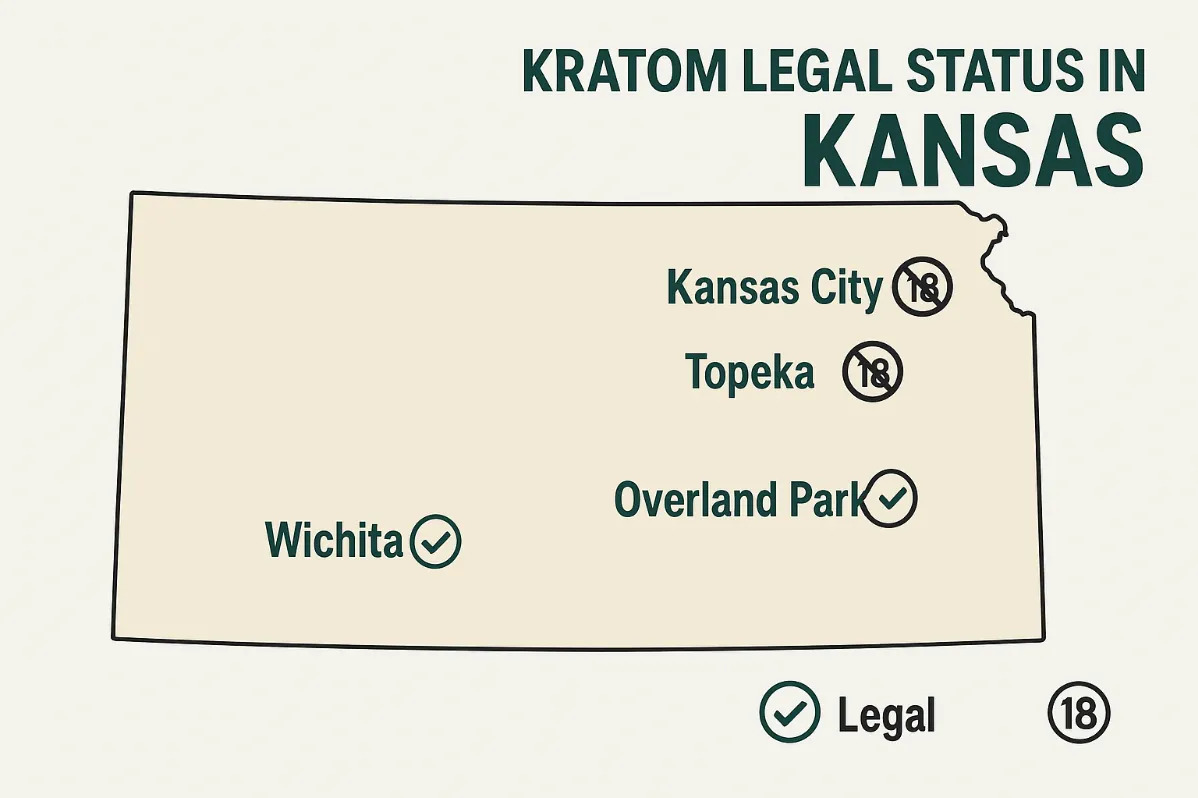
While Kansas maintains state-level legality, several municipalities have implemented their own restrictions. Local governments retain the authority to regulate or ban substances within their jurisdictions, even when those substances remain legal at the state level.
Major Cities and Their Policies:
🌿 #1 Kratom Brand - AKA Approved
Premium Quality Kratom at Unbeatable Prices
💥 Use Code: JACK30 - Save 30% OFF!
Shop Jack Botanicals Now →| City | Status | Restrictions | Notes |
|---|---|---|---|
| Wichita | Legal | Age 18+ recommended | No formal ordinance |
| Overland Park | Legal | Vendor discretion | No municipal ban |
| Kansas City | Legal | Age restrictions vary | Cross-border considerations |
| Topeka | Legal | Limited regulation | State capital influence |
County-Level Variations
County governments in Kansas have generally followed the state’s hands-off approach. However, some counties have implemented informal guidelines or recommendations that affect how kratom is sold and distributed within their boundaries.
The lack of uniform county-level regulation means consumers may encounter different availability and pricing structures depending on their specific location within Kansas.
Federal Oversight and Interstate Commerce
FDA Involvement
The Food and Drug Administration (FDA) maintains significant influence over kratom distribution, even in states where it remains legal. The FDA has issued numerous warnings to kratom manufacturers and distributors regarding:
- Unsubstantiated health claims
- Contamination issues
- Adulteration with other substances
- Import violations
These federal actions can affect kratom availability in Kansas, as vendors may face supply chain disruptions or product recalls based on FDA enforcement actions.
Interstate Commerce Implications
Kansas kratom consumers benefit from the state’s position within the interstate commerce network. Products can legally cross state lines from manufacturing facilities in other states where kratom remains legal. This creates a robust supply chain that helps maintain product availability and competitive pricing.
However, consumers should be aware that kratom legality varies significantly by state, and traveling with kratom products requires careful attention to destination laws.
Safe Buying Practices in Kansas
Vendor Selection Criteria
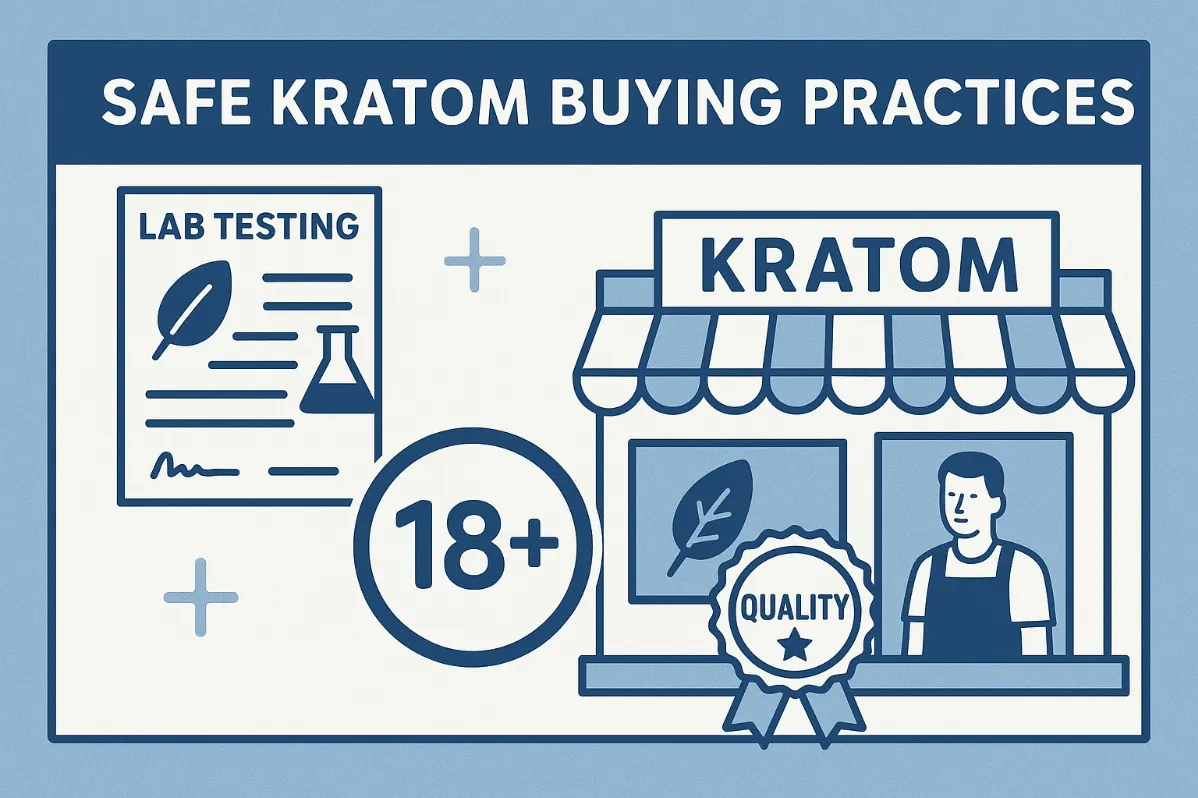
With limited state oversight, Kansas consumers bear greater responsibility for ensuring product quality and vendor reliability. Key factors to consider when selecting kratom vendors include:
Transparency and Testing:
- Third-party laboratory testing results
- Clear ingredient listings
- Batch tracking information
- Certificate of analysis availability
Business Practices:
- Established business history
- Customer service responsiveness
- Return and refund policies
- Professional website and marketing materials
Community Reputation:
- Online reviews and ratings
- Reddit community recommendations
- Industry association memberships
- Better Business Bureau ratings
Product Quality Indicators
Identifying high-quality kratom products requires attention to several key indicators:
Physical Characteristics:
- Fine, consistent powder texture
- Fresh, earthy aroma
- Appropriate color for strain type
- Absence of foreign materials or debris
Packaging Standards:
- Sealed, tamper-evident containers
- Clear labeling with batch information
- Expiration or harvest dates
- Proper storage recommendations
Documentation:
- Lab testing certificates
- Origin information
- Processing methods
- Alkaloid content data
Age Restrictions and Consumer Protections
Current Age Requirements
While Kansas doesn’t mandate specific age restrictions for kratom purchases at the state level, most reputable vendors implement their own age verification systems. The industry standard typically requires purchasers to be at least 18 years old, with some vendors setting the minimum age at 21.
Vendor Age Verification Methods:
- Online age confirmation checkboxes
- ID verification for in-person purchases
- Credit card age verification systems
- Account registration requirements
Consumer Safety Measures
Responsible kratom vendors in Kansas often implement additional consumer protection measures beyond basic age verification:
- Dosage information and guidelines
- Interaction warnings with medications
- Usage recommendations for beginners
- Contact information for questions or concerns
Understanding proper kratom dosing is crucial for safe consumption, especially for new users navigating the unregulated Kansas market.
Quality Control and Testing Standards
Laboratory Testing Importance
Without mandatory state testing requirements, Kansas consumers must rely on voluntary vendor testing programs. Comprehensive laboratory testing should screen for:
Contaminants:
- Heavy metals (lead, mercury, cadmium, arsenic)
- Microbial contamination (bacteria, yeast, mold)
- Pesticide residues
- Foreign adulterants
Purity and Potency:
- Alkaloid content verification
- Mitragynine and 7-hydroxymitragynine levels
- Strain authenticity confirmation
- Moisture content analysis
Third-Party Verification
The most reliable testing comes from independent, third-party laboratories that have no financial relationship with kratom vendors. These facilities provide unbiased analysis and help ensure that test results accurately reflect product quality.
Consumers should look for vendors who provide easily accessible lab reports and are willing to answer questions about their testing protocols.
Kratom Strains and Varieties Available in Kansas
Popular Strain Categories
Kansas consumers have access to the full spectrum of kratom varieties available in the legal market. Understanding different strain characteristics helps consumers make informed purchasing decisions:
Red Vein Varieties:
- Red Bali
- Red Maeng Da
- Red Borneo
- Red Thai
Green Vein Options:
- Green Malay
- Green Maeng Da
- Green Borneo
- Green Elephant varieties
White Vein Selections:
- White Borneo
- White Maeng Da
- White Thai
- White Sumatra
Specialty and Blended Products
Advanced users in Kansas can also access specialty kratom products, including:
- Enhanced strains with concentrated alkaloids
- Blended varieties combining multiple strains
- Extract products with higher potency levels
- Specialty preparations like capsules or tinctures
However, consumers should exercise extra caution with enhanced or concentrated products, as they may have significantly different potency profiles than traditional leaf powder.
Purchasing Options: Online vs. Local Retail
Online Vendor Advantages
Many Kansas consumers prefer online kratom purchases due to several advantages:
Selection and Variety:
- Broader strain selection
- Competitive pricing
- Bulk purchasing options
- Access to specialty products
Convenience Factors:
- Home delivery options
- Detailed product information
- Customer reviews and ratings
- Easy price comparison
Quality Assurance:
- Access to lab testing results
- Vendor reputation research
- Return and refund policies
- Customer service support
Local Retail Considerations
Some Kansas consumers prefer purchasing kratom from local retailers, despite potential limitations:
Immediate Availability:
- No shipping delays
- Physical product inspection
- Face-to-face vendor interaction
- Support for local businesses
Potential Drawbacks:
- Limited selection
- Higher pricing
- Inconsistent quality control
- Limited product information
Legal Compliance for Kansas Vendors
Business Licensing Requirements
Kratom vendors operating in Kansas must comply with general business licensing requirements, even though no specific kratom licenses exist. This includes:
- State business registration
- Sales tax permits
- Local business licenses
- Zoning compliance
Marketing and Advertising Restrictions
Even in legal states like Kansas, kratom vendors face significant restrictions on marketing claims. The FDA prohibits vendors from making specific health claims about kratom products, regardless of state legality.
Prohibited Marketing Practices:
- Medical or therapeutic claims
- Disease treatment assertions
- Cure or prevention statements
- Unsubstantiated benefit claims
Reputable vendors focus on providing factual product information rather than making promotional health claims.
Interstate Travel Considerations
Traveling with Kratom from Kansas
Kansas residents who travel with kratom products must research destination laws carefully. State-by-state kratom legality varies significantly, and possession of legal Kansas kratom could result in serious legal consequences in states with prohibition laws.
Travel Safety Tips:
- Research destination state laws
- Check local municipal regulations
- Carry original product packaging
- Keep purchase receipts available
- Consider shipping products separately
Border State Considerations
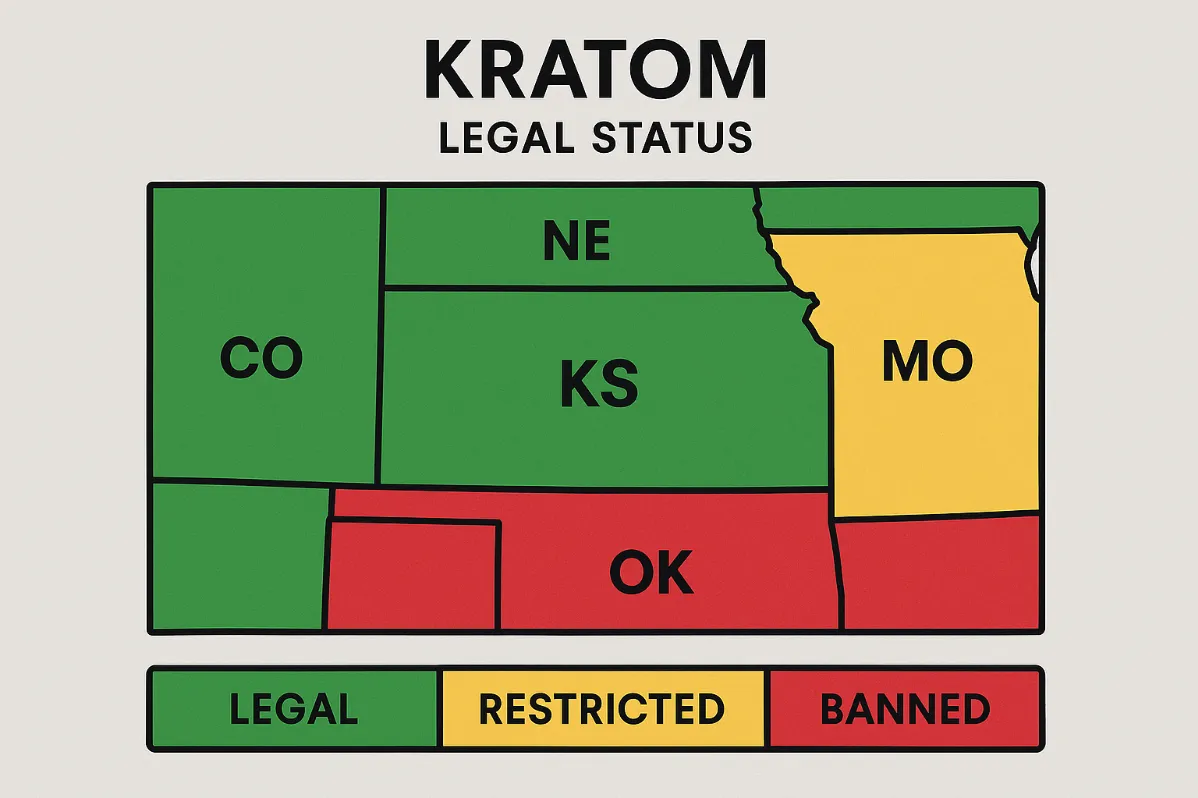
Kansas shares borders with several states that have different kratom regulations. Consumers near state borders should be particularly aware of varying legal frameworks:
- Missouri: Generally legal with some local restrictions
- Oklahoma: Legal at state level
- Colorado: Legal with some municipal bans
- Nebraska: Legal but with limited availability
🌿 Kansas Kratom Legal Status Checker
Check kratom legality by location and get safety recommendations
Vendor Reviews and Recommendations
Established Kansas Vendors
Several vendors have established strong reputations within the Kansas kratom community. When evaluating vendors, consumers should consider factors beyond just price, including customer service, product consistency, and business transparency.
Key Vendor Evaluation Criteria:
- Product testing protocols
- Customer service responsiveness
- Shipping and handling practices
- Return and refund policies
- Community reputation and reviews
Some consumers prefer to research vendor reviews from community sources to get unbiased perspectives on product quality and business practices.
Red Flags to Avoid
Kansas consumers should be aware of warning signs that may indicate unreliable or potentially dangerous vendors:
Quality Concerns:
- Unusually low pricing that seems too good to be true
- Lack of third-party testing documentation
- Vague or missing product information
- Poor packaging or labeling quality
- Unwillingness to answer product questions
Business Practices:
- Unsubstantiated health claims in marketing
- Pressure tactics or aggressive sales approaches
- Poor customer service or communication
- Lack of established business presence
- Missing contact information or physical address
Health and Safety Considerations
Responsible Usage Guidelines
While kratom remains legal in Kansas, responsible usage is essential for consumer safety. Users should be aware of several important considerations:
Dosage Awareness:
- Start with minimal amounts (1-2 grams)
- Allow adequate time between doses
- Avoid combining with other substances
- Monitor personal response carefully
Interaction Warnings:
- Consult healthcare providers about medication interactions
- Avoid alcohol consumption with kratom
- Be cautious with other botanical supplements
- Consider underlying health conditions
When to Seek Professional Guidance
Certain situations warrant professional medical consultation, even when using legal kratom products:
- Pre-existing medical conditions
- Current prescription medications
- Pregnancy or nursing
- History of substance abuse
- Unusual or concerning reactions
Healthcare providers can offer personalized guidance based on individual health profiles and circumstances.
Economic Impact and Market Dynamics
Kansas Kratom Market Size
The legal status of kratom in Kansas has contributed to a growing local market. Industry estimates suggest that Kansas consumers spend millions of dollars annually on kratom products, supporting both local retailers and online vendors.
Market Characteristics:
- Growing consumer awareness and adoption
- Increasing vendor competition and selection
- Price stabilization due to legal status
- Job creation in retail and distribution sectors
Economic Benefits of Legality
Kansas’s approach to kratom regulation has created several economic benefits:
Tax Revenue:
- Sales tax collection on kratom purchases
- Business licensing fees and permits
- Employment tax revenue from kratom businesses
Business Development:
- Local retail establishment opportunities
- Distribution and logistics job creation
- Ancillary business development (testing labs, marketing services)
- Tourism and cross-border commerce
Advocacy and Community Engagement
Kansas Kratom Advocacy Groups
Several organizations work to protect kratom access in Kansas and educate consumers about responsible usage:
Advocacy Efforts:
- Monitoring legislative developments
- Educating lawmakers about kratom science
- Promoting industry self-regulation
- Supporting consumer protection measures
Community Resources:
- Educational workshops and seminars
- Online forums and discussion groups
- Vendor accountability initiatives
- Safety and quality awareness campaigns
Staying Informed About Legal Changes
Kansas kratom consumers should remain vigilant about potential legal changes at both state and federal levels. Effective strategies for staying informed include:
Information Sources:
- State legislature monitoring
- Industry association updates
- Legal news and analysis
- Community advocacy group communications
Proactive Engagement:
- Contacting elected representatives
- Participating in public comment periods
- Supporting evidence-based policy discussions
- Engaging with local kratom communities
Comparison with Neighboring States
Regional Legal Landscape
Kansas’s kratom policies exist within a diverse regional context. Understanding how neighboring states approach kratom regulation helps Kansas consumers appreciate their state’s relatively permissive stance:
Missouri: Generally legal with some local municipal restrictions
Oklahoma: Legal at state level with minimal regulation
Colorado: Legal but with several municipal bans in place
Nebraska: Legal but with limited retail availability
This regional variation affects interstate commerce and travel considerations for Kansas residents.
Policy Implications
Kansas’s decision to maintain kratom legality while neighboring states implement various restrictions creates both opportunities and challenges:
Opportunities:
- Competitive advantage for Kansas businesses
- Increased consumer access and choice
- Economic benefits from cross-border commerce
- Research and education opportunities
Challenges:
- Potential federal intervention pressure
- Quality control and safety concerns
- Need for consumer education and awareness
- Monitoring and enforcement complexities
Storage and Handling Best Practices
Proper Kratom Storage
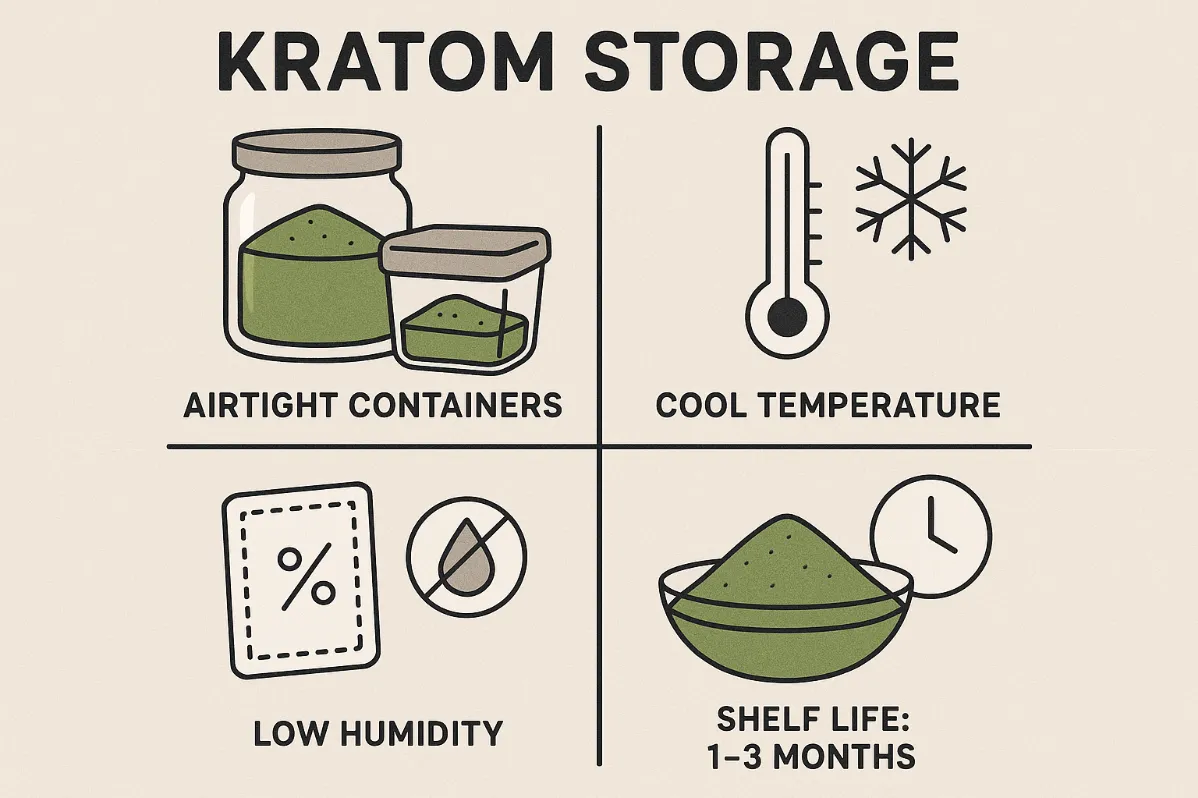
Kansas’s variable climate conditions require careful attention to kratom storage practices. Proper storage helps maintain product quality and safety:
Environmental Factors:
- Temperature control (cool, dry conditions)
- Humidity management (below 60% relative humidity)
- Light protection (dark storage areas)
- Air circulation (breathable containers)
Container Requirements:
- Airtight sealing capabilities
- Food-grade materials
- Moisture barrier properties
- Easy access and portion control
Shelf Life and Quality Maintenance
Understanding kratom’s shelf life helps Kansas consumers maximize their investment and ensure product safety:
Quality Indicators:
- Color consistency over time
- Aroma preservation
- Texture maintenance
- Absence of mold or contamination
Consumer Education and Resources
Educational Priorities
Kansas consumers benefit from comprehensive education about kratom, especially given the limited regulatory oversight. Key educational areas include:
Product Knowledge:
- Strain differences and characteristics
- Quality indicators and testing
- Proper preparation methods
- Dosage guidelines and safety protocols
Legal Awareness:
- Current Kansas regulations
- Federal oversight and implications
- Travel considerations and restrictions
- Rights and responsibilities as consumers
Kratom Legal Status in Kansas – FAQ
Conclusion
Is Kratom Legal in Kansas? The answer remains yes, with important caveats about local regulations, federal oversight, and the need for responsible consumer practices. Kansas has maintained a relatively permissive stance toward kratom, allowing residents access to this botanical while placing the responsibility for quality assurance and safe usage primarily on consumers and vendors.
The current legal landscape in Kansas offers both opportunities and challenges. Consumers enjoy broad access to kratom products and competitive pricing, but must navigate a complex environment with limited regulatory oversight. Success in this market requires diligent research, careful vendor selection, and commitment to responsible usage practices.
Nathaniel is deeply interested in cultural traditions and the way natural elements shape human expression. He has studied how communities integrate plants into their daily rituals, folklore, and heritage. Nathaniel believes these practices hold timeless lessons about respect for nature and the importance of cultural continuity. His work centers on appreciating and preserving these insights with curiosity and authenticity, always highlighting the link between the past and the present.